

Governance Insights Series
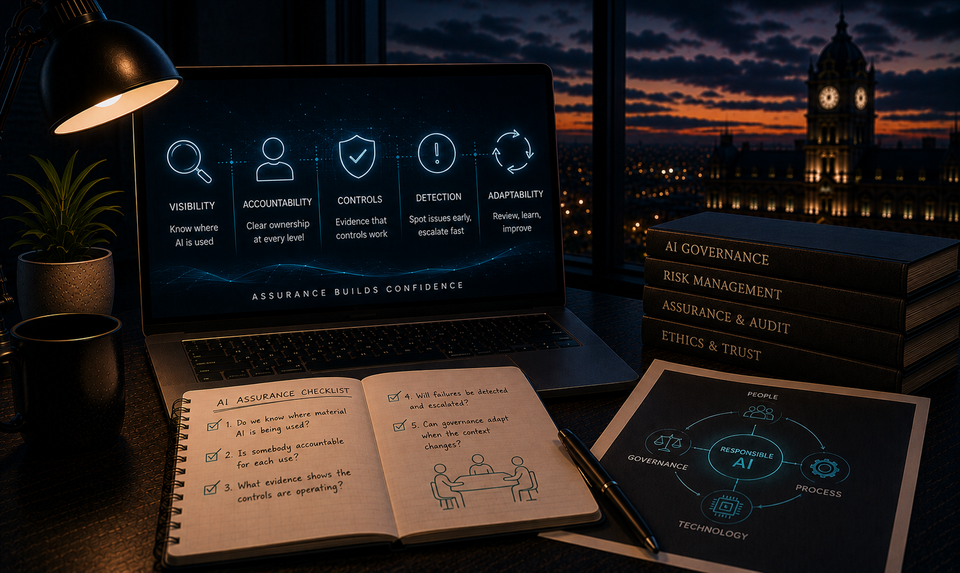
Executive Summary An AI policy can say which tools are approved, who is responsible and when human review is required. It cannot show that staff understand those rules, that material uses are visible or that a reviewer has time and authority to challenge an output. Assurance asks whether the governance
by Matt Bowd, Aug 26, 2026
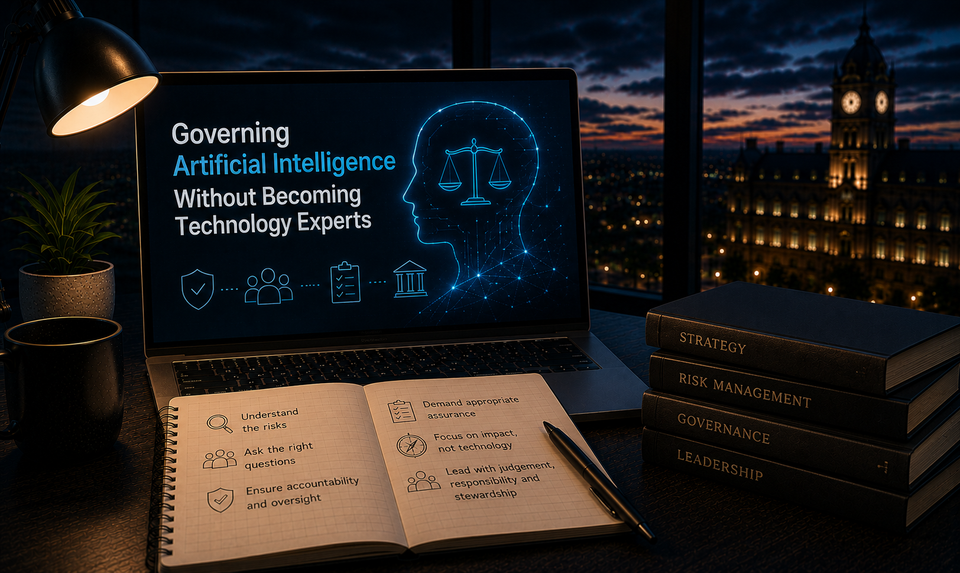
Executive Summary Boards govern organisations that increasingly use artificial intelligence, sometimes through tools chosen by management, sometimes through features added to existing software. Directors do not need to train models or select technical architectures. They do need enough understanding to judge where AI is material, whether management’s account is
by Matt Bowd, Aug 13, 2026
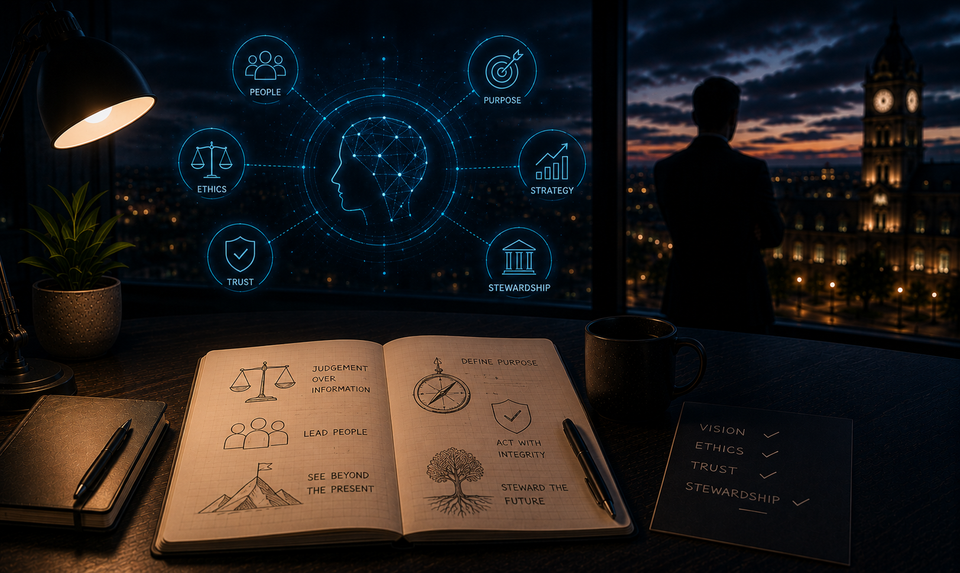
Artificial intelligence is transforming how organisations analyse information, automate routine activities and support decision-making.
by Matt Bowd, Aug 05, 2026

Artificial intelligence is rapidly becoming embedded within the products and services organisations procure.
by Matt Bowd, Jul 30, 2026
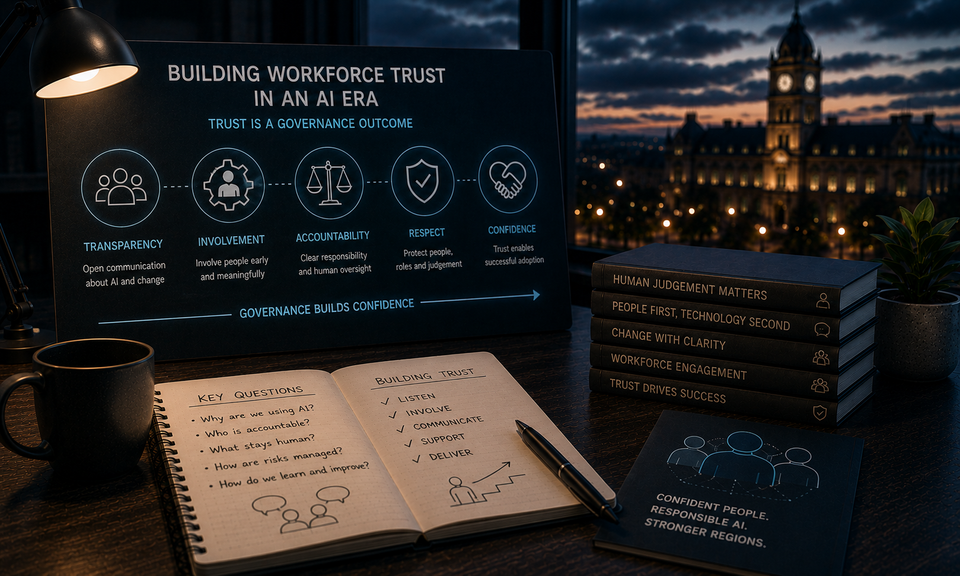
Executive Summary Artificial intelligence can change how work is allocated, how professional advice is formed and how people are assessed. Employees therefore judge more than the performance of a new tool. They judge whether leaders understand their work, respect their expertise and will remain accountable when an AI-assisted process
by Matt Bowd, Jul 08, 2026
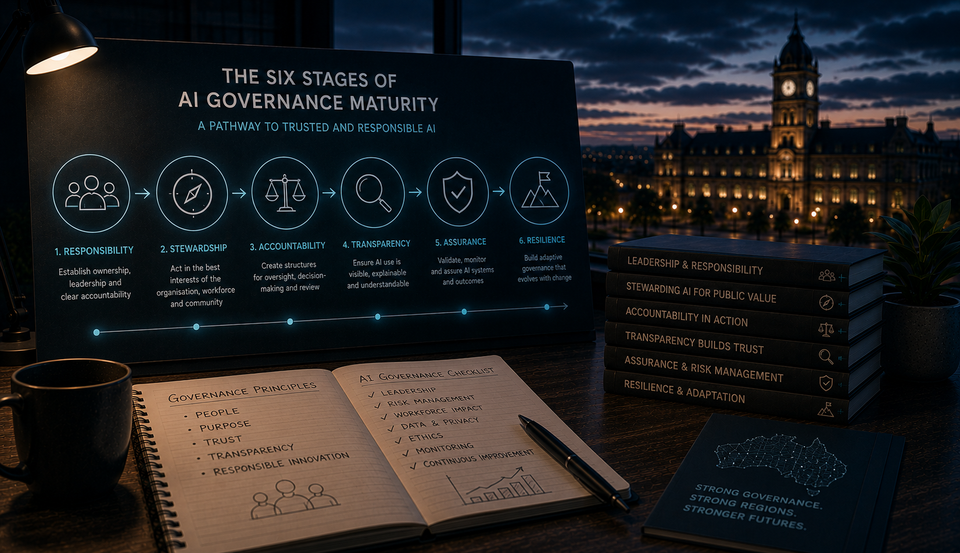
The first paper in this series argued that artificial intelligence is primarily a governance challenge rather than a technology challenge.
by Matt Bowd, Jul 01, 2026