



Executive Summary Artificial intelligence is rarely contained within a single organisation. An organisation may select the system and determine how it will be used, while the model is developed elsewhere, the service is operated by a vendor, infrastructure is provided by another company, data comes from multiple sources and specialist
by Matt Bowd, Sep 17, 2026


Executive Summary Artificial intelligence will change after policies are written, systems are approved and governance arrangements are established. The model will be updated. The vendor may alter the service. Employees will find new uses for it. The data passing through it may change. Regulation may develop, organisational priorities will shift
by Matt Bowd, Sep 09, 2026

Executive Summary Artificial intelligence governance is often designed around prevention. Organisations establish policies, assess risks, introduce controls and seek assurance that AI is being used responsibly. These activities matter, but no governance system can guarantee that every AI system will behave as expected, every employee will use it appropriately or
by Matt Bowd, Sep 02, 2026
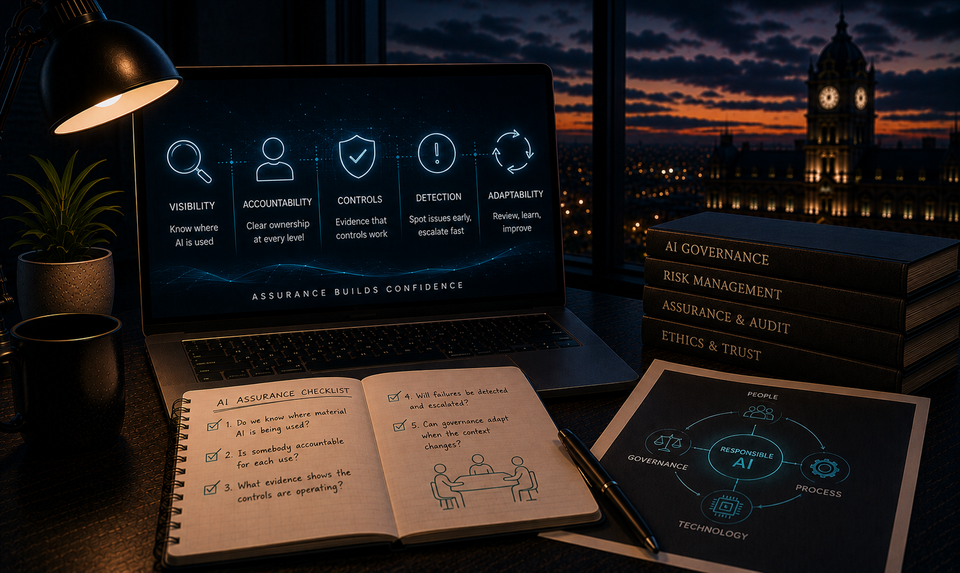
Executive Summary Writing an artificial intelligence policy is relatively easy. Knowing whether it is working is considerably harder. A policy can define acceptable use, allocate responsibility and establish principles. It cannot, by itself, show whether employees understand those expectations, whether material AI use is visible, whether controls are being followed
by Matt Bowd, Aug 26, 2026
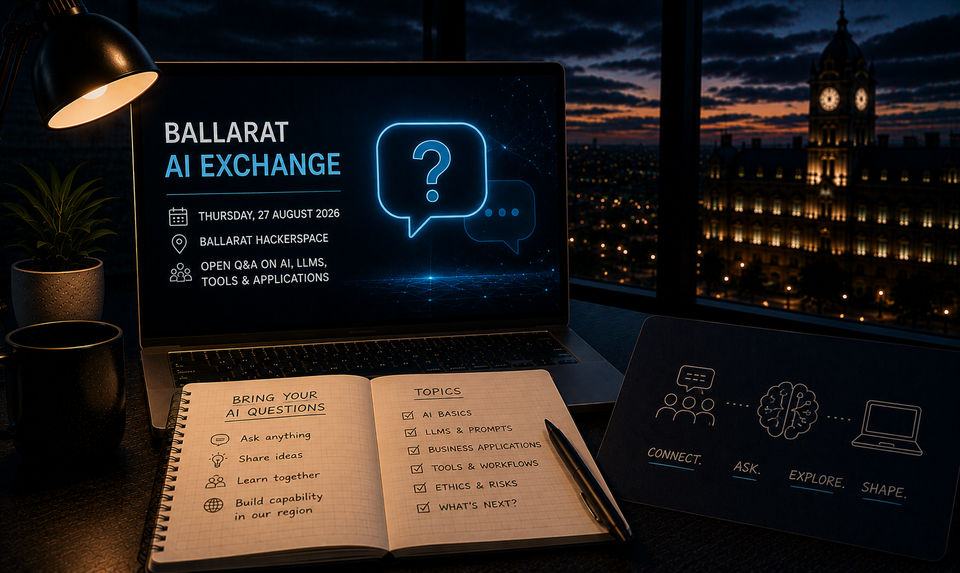
BRAIN’s next Ballarat AI Exchange will be held on Thursday, 27 August at Ballarat Hackerspace, bringing together the local community for an open conversation about artificial intelligence and its practical applications. Dr Rob Layton, Chief Research Officer at BRAIN, and Adrian Holtham from Plainlight will host an open Q&
by Matt Bowd, Aug 24, 2026